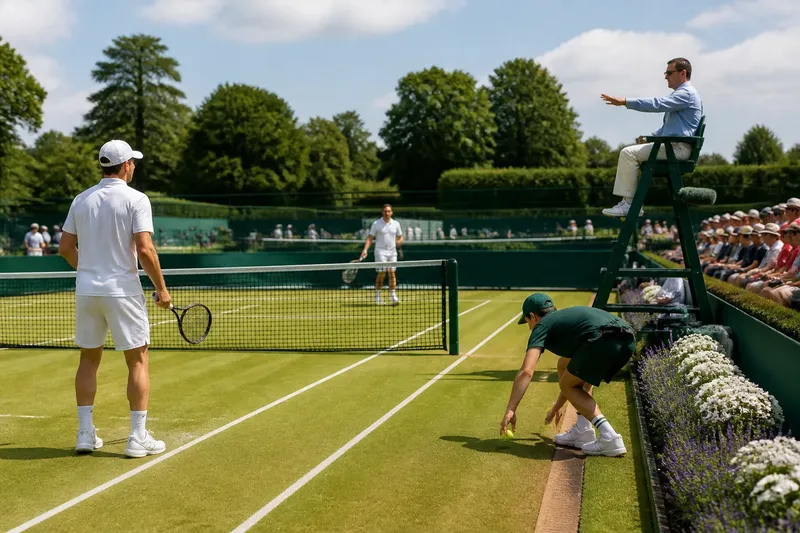
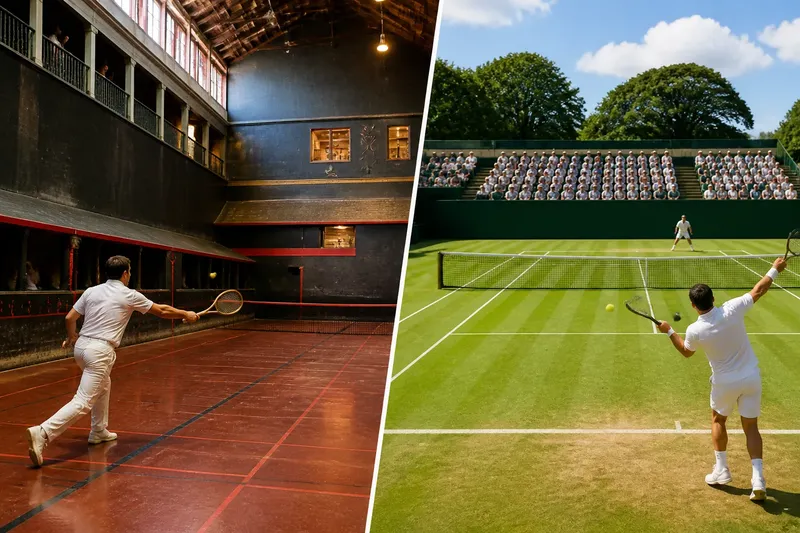
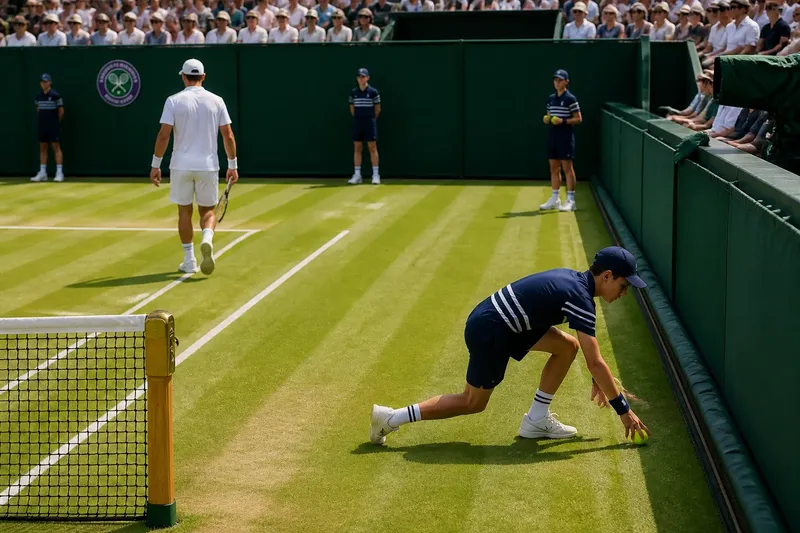
A Quiet Crowd or a Roaring One? Tennis Etiquette Across Moments
Tennis etiquette helps you know when to move, speak, or applaud, so you can follow the match without distracting players or crowding nearby spectators.
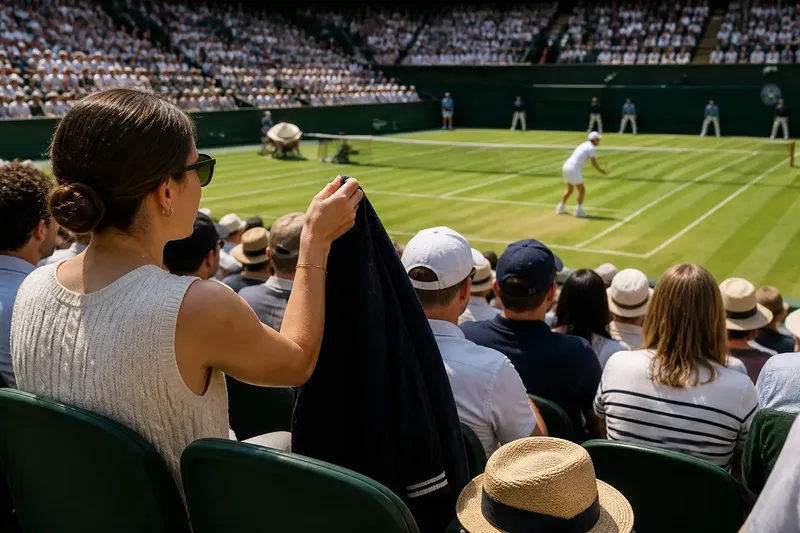
A spectator lifts a coat from the seat beside them as the server settles into position, then pauses with it in hand. That is a useful moment to read tennis etiquette: the right response depends on whether play is live, paused, or finished.
Rather than memorizing a long code, track the match’s phases and the venue’s instructions. That approach helps you decide when to move, speak, cheer, or wait.
Settle in before the first point
Check the venue’s signs for rules about phones, food, re-entry, and movement between seats. Watch how ushers manage the aisles; their signals matter more than assumptions about when a row is open.
Silence your phone, keep bags out of walkways, and arrange your belongings before play resumes. If you need to leave your seat, choose an interval allowed by staff rather than stepping across a row during a point.
Listen to the crowd for a game. Some courts become quiet as the server prepares; others have more conversation between points. Start with brief, soft conversation and pause when players take their positions.
During points, leave the court to the players
Stay in your seat and keep conversation, calls, and rustling to a minimum while the ball is live. Do not shout line calls or react to an official’s decision from the stands; the umpire and players handle those moments.
Wait until a point is clearly over before applauding a striking shot. The pause keeps your response from sounding like encouragement during the exchange and gives players a chance to reset.
Say a friend arrives at the far end of your row during a game. You both wait for the point to end, then they pass quietly. The observable result is that nearby spectators can follow the exchange without someone crossing their view mid-point.
Use pauses without assuming every pause is open
Changeovers are a chance to take a quiet sip, adjust a layer, or exchange a few words. Keep the aisle clear and lower your voice as players prepare to resume. A break in play does not necessarily mean the venue permits people to enter or leave.
If you spot a dropped bottle, consider whether retrieving it would block a neighbor or require leaning across the row. If it can be picked up quietly from your seat, do so; if not, wait for a longer break or ask an usher for help.
At the end of a game, make small adjustments that do not obstruct anyone. Save anything that requires standing or reaching across seats for a time when staff allow movement.
How do you handle common court moments?
Can you clap after a long rally?
Yes, once the point is over and the result is clear. Applaud then, rather than while the ball is still in play.
Can you talk during a changeover?
Quiet conversation is generally less disruptive during a pause. Keep it short and stop as players get ready to resume.
When can you walk to or from your seat?
Follow posted instructions and usher directions because access rules vary by venue and court. If you are unsure, wait for staff to indicate that movement is appropriate.
Should you cheer for both players?
You can support a favorite and applaud excellent play from either side. Keep comments respectful and do not call out during points or target a player after an error.
Let the match finish before you move on
After the final point, applause is welcome. A close match may draw cheers, while another may prompt quieter clapping; acknowledge both players and avoid insulting the opponent or arguing with officials.
Wait for the players’ customary exchange and any brief address to the crowd before raising a phone or heading for the exit. If another match is scheduled, follow staff directions about leaving and keep the court entrance clear.
For a quick decision, ask whether the ball is live, the players are using a pause, or the match has ended. During live play, stay still; during a permitted pause, handle only what you can do without obstructing others; after the finish, applaud and let the closing gestures happen. That simple rhythm is the most useful part of tennis etiquette to carry into your next visit.